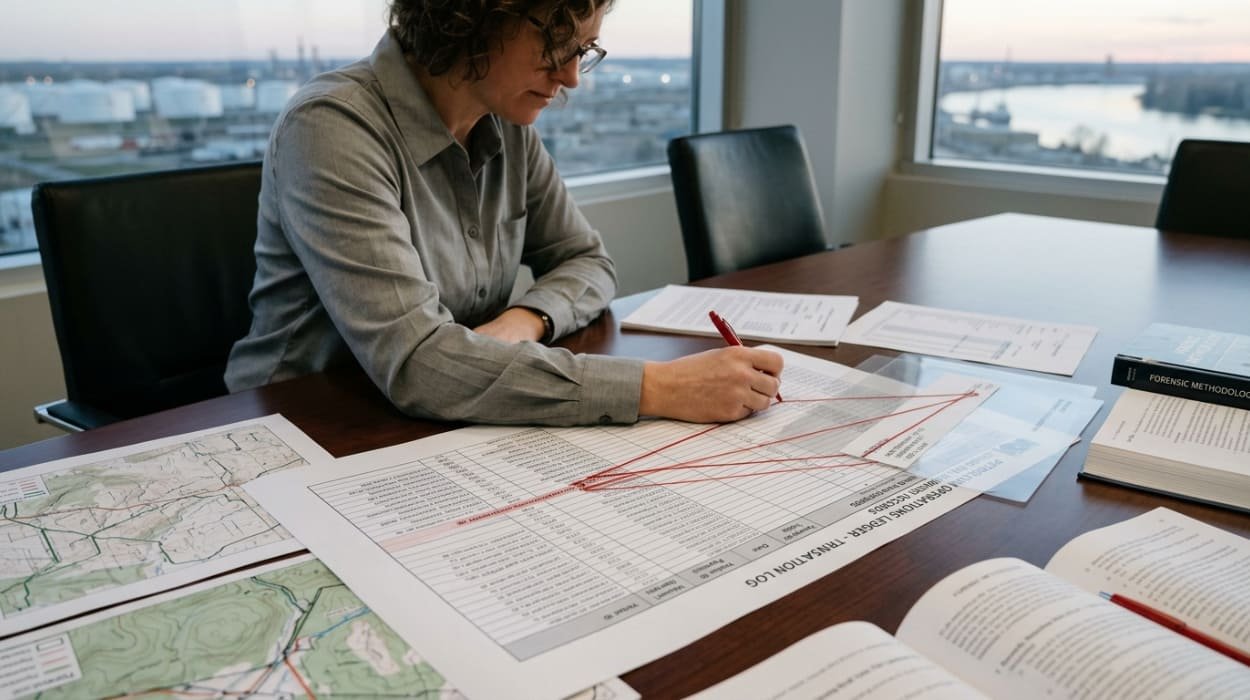
Upstream, midstream, and downstream petroleum environments present complex financial architectures where standard accounting controls frequently fail to detect deliberate manipulation. Organizations operating in this sector manage massive capital expenditures, intricate joint venture billing arrangements, and volatile commodity pricing structures that obscure the exact paper trail of misappropriated funds. Financial anomalies within these capital-intensive supply chains manifest as inflated vendor invoices, misallocated lifting costs, and disguised inventory shrinkage across multi-jurisdictional subsidiaries.
To unpack the foundational mechanics behind these financial discrepancies, financial controllers and compliance officers examine How Revenue, Inventory and Production Data Can Reveal Fraud Indicators during early exploratory audits. This foundational awareness establishes the necessary baseline before organizations evaluate formal workforce interventions, such as the Institute For Oil & Gas Training Corporate Compliance Program, which equips internal audit teams with specialized diagnostic capabilities. Tracing irregular transactions requires a rigorous methodology that bridges physical hydrocarbon movements with general ledger entries, shifting the investigative focus from superficial balance sheet balancing to deep operational data validation.
How do auditors identify hidden inventory discrepancies in petroleum supply chains?
Auditors identify hidden inventory discrepancies by reconciling physical volume measurements at wellheads, custody transfer points, and refinery tank farms against recorded ledger balances, using volumetric mass balance equations and density adjustments to expose unrecorded shrinkage, phantom pipeline injections, and artificial stock loss.
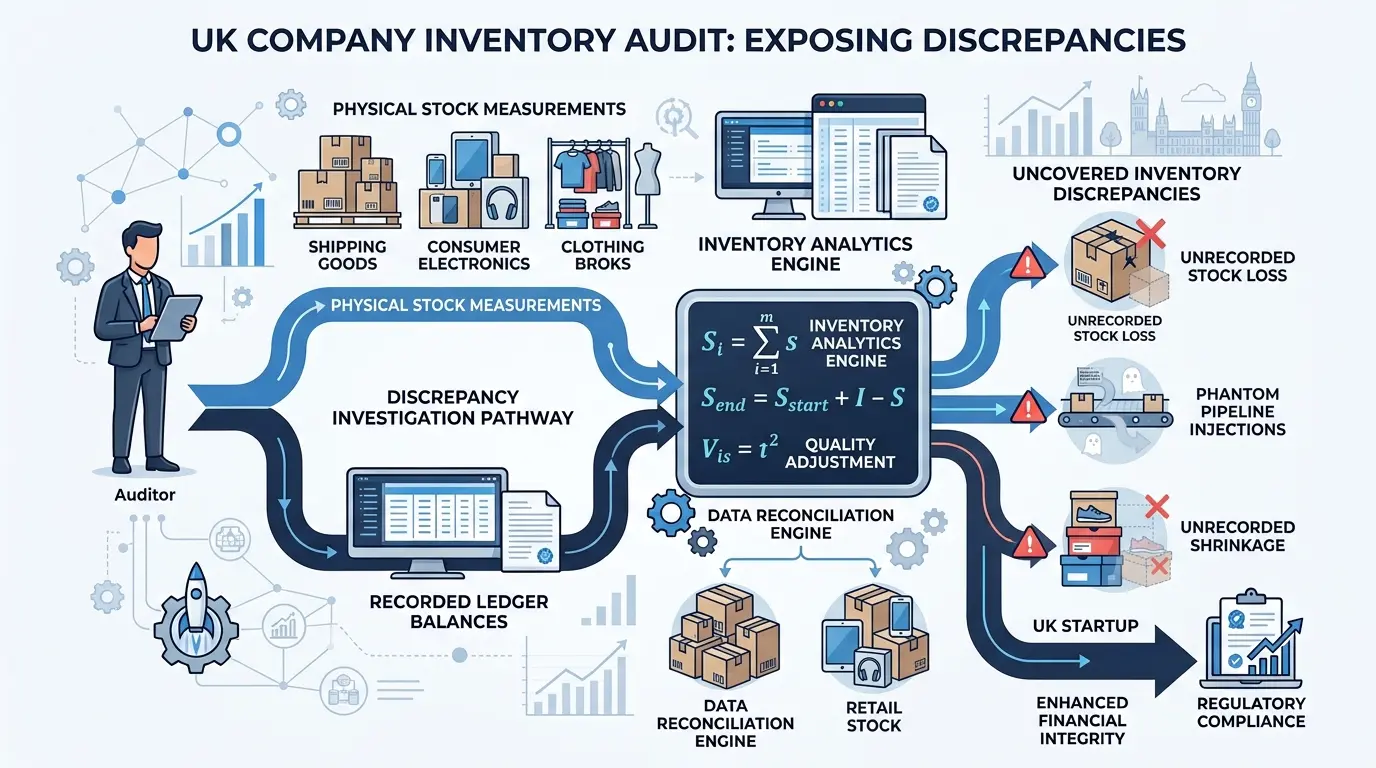
Petroleum inventory accounting relies on continuous measurement rather than periodic physical counts. Hydrocarbon volumes change constantly due to temperature variations, pressure differentials, and natural gas venting or flaring. Perpetrators exploit these physical variables by manipulating custody transfer tickets or altering meter calibration logs. Forensic accountants deploy advanced data analytics to match volumetric throughput against financial valuations. When terminal meter readings diverge from sales invoices by statistical thresholds exceeding standard operational tolerance levels, investigators flag the variance for targeted audit procedures.
Supply chain opacity increases vulnerability in shared infrastructure agreements. Joint operating agreements often involve multiple non-operating partners funding capital and operating expenditures based on percentage interests. Fraudsters capitalize on this complexity by shifting operational costs from wholly owned subsidiaries onto joint venture accounts. Auditors counter this practice by executing continuous transaction monitoring protocols that cross-reference equipment maintenance logs with contractor payouts. By correlating physical rig activity reports directly with vendor billing frequencies, forensic teams isolate ghost services and duplicate invoicing schemes designed to drain asset accounts.
What methods do investigators use to trace shell company payments in upstream joint ventures?
Investigators trace shell company payments in upstream joint ventures by executing mandatory vendor background checks, analyzing bank routing numbers for offshore intermediary accounts, and performing network graph analysis on corporate registries to expose beneficial ownership overlaps among procurement officers and third-party contractors.
Procurement fraud in upstream operations typically involves fictitious vendor entities established to siphon funds through inflated service contracts for seismic data acquisition, directional drilling tools, and wellhead maintenance. Forensic accountants scrutinize accounts payable ledgers to detect red flags, such as sequential invoice numbering from unrelated vendors, addresses matching residential properties or post office boxes, and rapid depletion of funds immediately following wire transfers. By deploying entity-resolution software, investigators map relationships between corporate directors and internal procurement personnel, revealing undeclared conflicts of interest.
The contractual architecture of joint ventures complicates these investigations because operators exercise primary control over accounting records while non-operators maintain limited auditing rights. When financial transparency erodes, internal teams leverage Forensic Accounting for Petroleum Operations: When Specialist Training Adds Professional Value to establish standardized validation frameworks across disparate operating regions. This specialized skill acquisition ensures that compliance analysts recognize subtle layering techniques, such as splitting large capital expenditures into multiple smaller transactions to bypass internal board approval thresholds.
How can artificial revenue inflation be detected in multi-tiered oil trading contracts?
Artificial revenue inflation in multi-tiered oil trading contracts is detected by examining vessel bill of lading timestamps, verifying marine charter party agreements against demurrage claims, and cross-referencing spot market price indices with internal transfer pricing valuations to identify wash trades and circular invoicing loops.
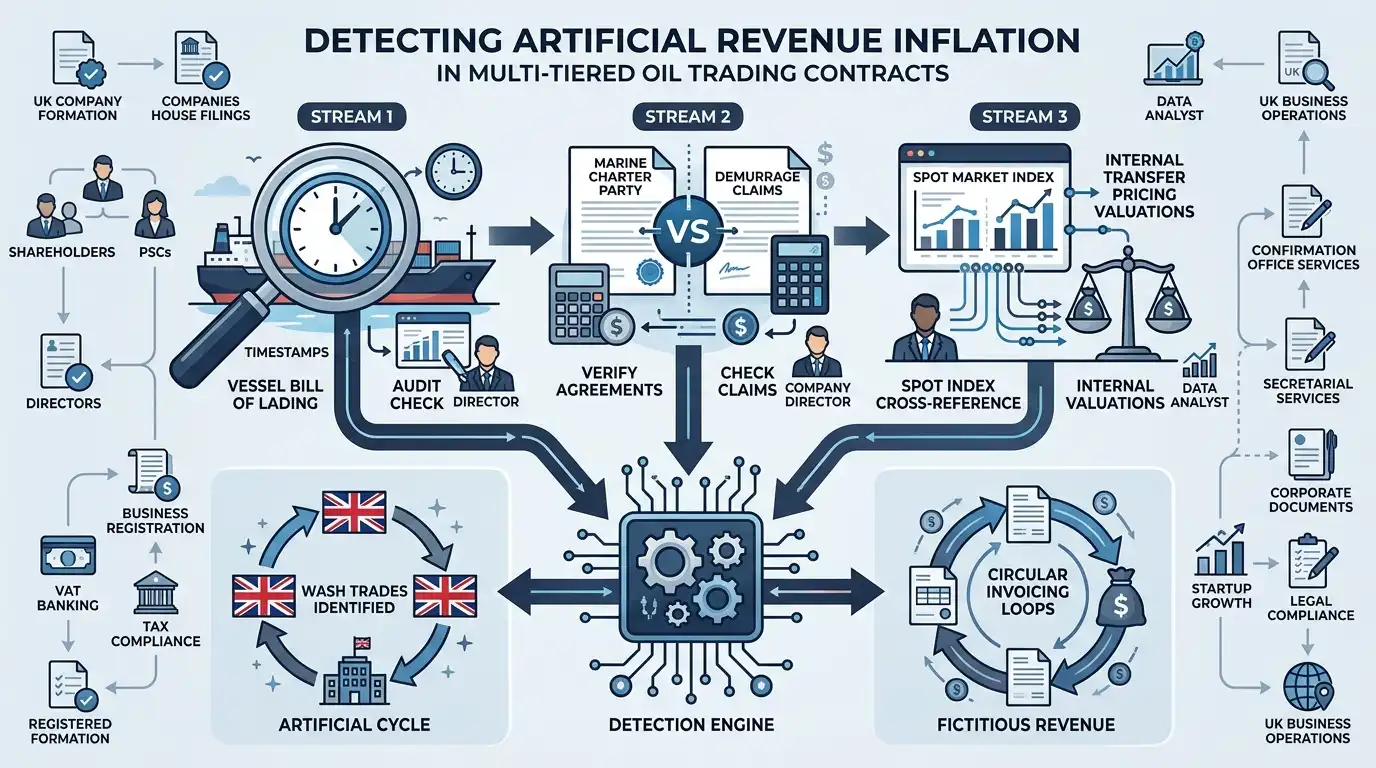
Crude oil and refined product trading desks execute complex derivative contracts and physical swaps that offer ample opportunity for revenue falsification. Traders under pressure to meet quarterly financial targets occasionally engage in round-tripping transactions. In these arrangements, two cooperating entities sell crude back and forth to each other at artificially inflated prices, inflating revenue figures without transferring genuine economic value or altering net cash positions. Forensic accountants disrupt these schemes by auditing the physical logistics data associated with every paper transaction. If a bill of lading indicates a tanker remained stationary while ownership changed hands three times, investigators classify the trades as suspicious and initiate deeper transaction tracing.
Furthermore, transfer pricing manipulation between international subsidiaries represents a primary vector for profit shifting and tax evasion. Petroleum enterprises operating across multiple tax jurisdictions frequently utilize internal pricing discrepancies to shift margins to low-tax regions. Investigators evaluate these pricing models using economic benchmark analyses, comparing internal transaction costs against independent market prices for comparable crude grades. When internal margins deviate substantially from prevailing market benchmarks without operational justification, finance leaders deploy the Institute For Oil & Gas Training Corporate Compliance Program to train internal accountants in defensible documentation standards and transfer pricing defense strategies.
Investigation Phase | Primary Data Source | Key Analytical Focus | Risk Indicator |
Data Extraction | General Ledger & ERP Logs | Transaction timing and routing | Weekend journal entries by non-finance staff |
Volume Reconciliation | SCADA & Terminal Meters | Mass balance verification | Unexplained volumetric loss exceeding 0.5% |
Vendor Screening | Corporate Registries & Banks | Ultimate beneficial ownership | Shared banking details across competing vendors |
Contract Analysis | Charter Parties & JOAs | Pricing benchmarks & demurrage | Deviations from Platt's or Argus pricing indices |
What organizational frameworks resolve skill gaps in detecting sophisticated hydrocarbon fraud?
Organizational frameworks resolve skill gaps by implementing continuous corporate training curricula that blend data analytics, petroleum engineering fundamentals, and legal evidentiary standards, transforming traditional general ledger accountants into proactive financial crime investigators.
Traditional accounting education rarely prepares professionals for the unique operational realities of the energy sector. Accountants unfamiliar with upstream production sharing contracts or midstream pipeline throughput tariffs struggle to identify when operational metrics contradict financial disclosures. To close this gap, forward-thinking energy corporations establish structured competency models that combine practical forensic workshops with scenario-based simulations. These learning pathways emphasize cross-functional collaboration, ensuring that finance teams consult regularly with petroleum engineers and supply chain logisticians when reviewing anomalous expenditure patterns.
Measurable return on investment justifies these educational expenditures. Organizations that deploy targeted training programs report significant reductions in fraudulent leakage, faster anomaly detection times, and improved audit defensibility during regulatory examinations. By embedding quantitative risk metrics directly into performance management frameworks, leadership teams foster a culture of vigilance where operational anomalies trigger immediate cross-functional investigations rather than passive acceptance.
Frequently Asked Questions
What does the Institute For Oil & Gas Training cover in its petroleum compliance training?
The Institute For Oil & Gas Training delivers comprehensive education on anti-money laundering (AML), regulatory frameworks, and financial risk mitigation tailored for energy enterprises. Programs focus on tracing supply chain irregularities, evaluating joint operating agreements, and strengthening internal audit controls across upstream and downstream operations.
Why is anti-money laundering (AML) critical in oil and gas compliance?
The complex financial architecture of petroleum operations, involving multi-tiered trading contracts and offshore subsidiaries, exposes energy firms to high money laundering risks. Robust AML protocols implemented through specialized corporate training help compliance officers detect suspicious wire transfers, shell company vendors, and transfer pricing manipulation.
How do oil and gas companies mitigate financial risks in joint ventures?
Organizations mitigate financial risks in joint operating agreements by conducting rigorous vendor background checks and continuous transaction monitoring. Training programs from the Institute For Oil & Gas Training equip internal audit teams to cross-reference physical production volumes with general ledger entries to expose unrecorded shrinkage and billing fraud.
What are the primary regulatory challenges in upstream petroleum compliance?
Upstream operators face intense regulatory scrutiny regarding capital expenditure allocations, licensing transparency, and environmental reporting standards. Navigating these multi-jurisdictional frameworks requires specialized financial crime training to ensure reporting accuracy and avoid severe penalties from regulatory bodies.
How does workforce training improve fraud detection in petroleum operations?
Targeted education bridges the gap between traditional general ledger accounting and complex energy sector operations like pipeline tariffs and crude swaps. By mastering specialized investigative methodologies, internal finance teams enhance their ability to uncover artificial revenue inflation and irregular transaction patterns before external audits.
Related training courses
Risk Management for Upstream & Midstream Projects: Exposures Training Course
- Specialisation
- Oil & Gas Petroleum Compliance, AML & Risks
- Duration
- 5 days · 15 CPD hours
Segregation of Duties in Finance & ERP Systems Training Course
- Specialisation
- Oil & Gas Petroleum Compliance, AML & Risks
- Duration
- 5 days · 15 CPD hours
Management Reporting Design for JV & Partner Audiences Training Course
- Specialisation
- Oil & Gas Petroleum IFRS & Financial Reporting
- Duration
- 5 days · 15 CPD hours
More articles
Forensic Accounting for Petroleum Operations: When Specialist Training Adds Professional Value
Master petroleum financial investigations, hydrocarbon data auditing, and fraud detection. Enroll in the Institute For Oil & Gas Training program today.
Read article →
How Revenue, Inventory and Production Data Can Reveal Fraud Indicators
Learn how corporate training empowers teams to use revenue, inventory, and production data to detect operational fraud in oil and gas sectors.
Read article →
Developing Petroleum Fraud Risk Skills Through Specialist Oil & Gas Training
Master forensic accounting, vendor auditing, and procurement fraud detection with specialized oil and gas training. Enroll your team today.
Read article →