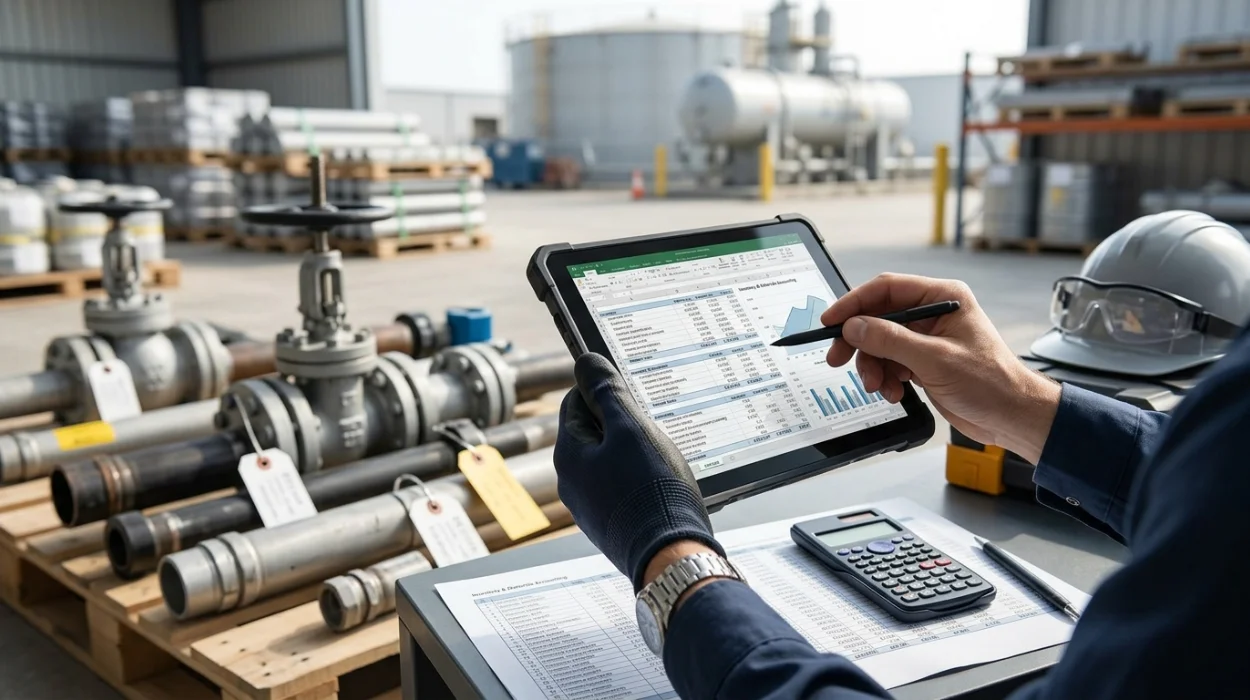
Inventory and materials accounting training resolves critical financial discrepancies in petroleum operations by equipping finance professionals with precise valuation, valuation methodologies, and physical-to-book reconciliation competencies tailored specifically to upstream, midstream, and downstream asset management.
Modern energy enterprises frequently encounter substantial asset leakages and capital inefficiencies due to mismanaged warehouse supplies, unrecorded field transfers, and inaccurate valuation of critical spares. When finance teams lack specialized accounting frameworks for physical stock, balance sheets fail to reflect true asset positions.
This operational blind spot directly impacts EBITDA, distorts working capital calculations, and complicates statutory audits. Organizations often realize that standard manufacturing or retail accounting models prove entirely inadequate for high-value oilfield assets, specialized catalysts, and remote pipeline maintenance inventory.
To address these complex financial vulnerabilities, Institute For Oil & Gas Training developed this rigorous professional development program. The syllabus bridges the widening gap between technical warehouse operations and corporate financial reporting.
Before committing to advanced evaluation, professionals frequently explore foundational operational concepts by reading Why Inventory Accuracy Matters to Oil & Gas Production Economics, which establishes the baseline economic impacts of stock control.
By grounding financial staff in rigorous reconciliation procedures, the Inventory & Materials Accounting Training: Building the Skills Required for Oil & Gas Finance Roles program ensures that inventory values remain fully transparent, compliant with international financial reporting standards, and aligned with asset lifecycle demands.
Why is this course structured this way?
The curriculum follows a logical progression from foundational asset identification to advanced valuation models, ensuring participants build cumulative competencies in handling complex petroleum supply chains and regulatory compliance frameworks.
Educational architecture within corporate training must mirror the actual career progression and operational reality of finance practitioners working in high-capital environments.
Rather than presenting isolated accounting rules, the Institute For Oil & Gas Training integrates technical operational realities with financial governance. Participants first master how physical assets move across remote extraction sites before tackling complex ledger entries.
This structural methodology prevents the common pitfall where finance personnel understand theoretical accounting formulas but cannot interpret physical material transfer notes, rig site delivery receipts, or pipeline balance statements.
For professionals seeking mid-level evaluation criteria regarding specific asset categories, the curriculum review builds directly upon concepts introduced in Inventory and Materials Accounting for Critical Spares, Consumables and Operational Stock, ensuring a seamless transition from asset categorization to comprehensive financial control.
Every module within the Inventory & Materials Accounting Training: Building the Skills Required for Oil & Gas Finance Roles syllabus is mapped directly to real-world corporate challenges faced by accounting departments, treasury managers, and operational controllers.
What will participants learn?
Participants acquire advanced technical capabilities in valuing high-cost capital spares, auditing warehouse movements, applying lower-of-cost-and-net-realizable-value rules, and eliminating discrepancies between physical stock counts and general ledger balances.
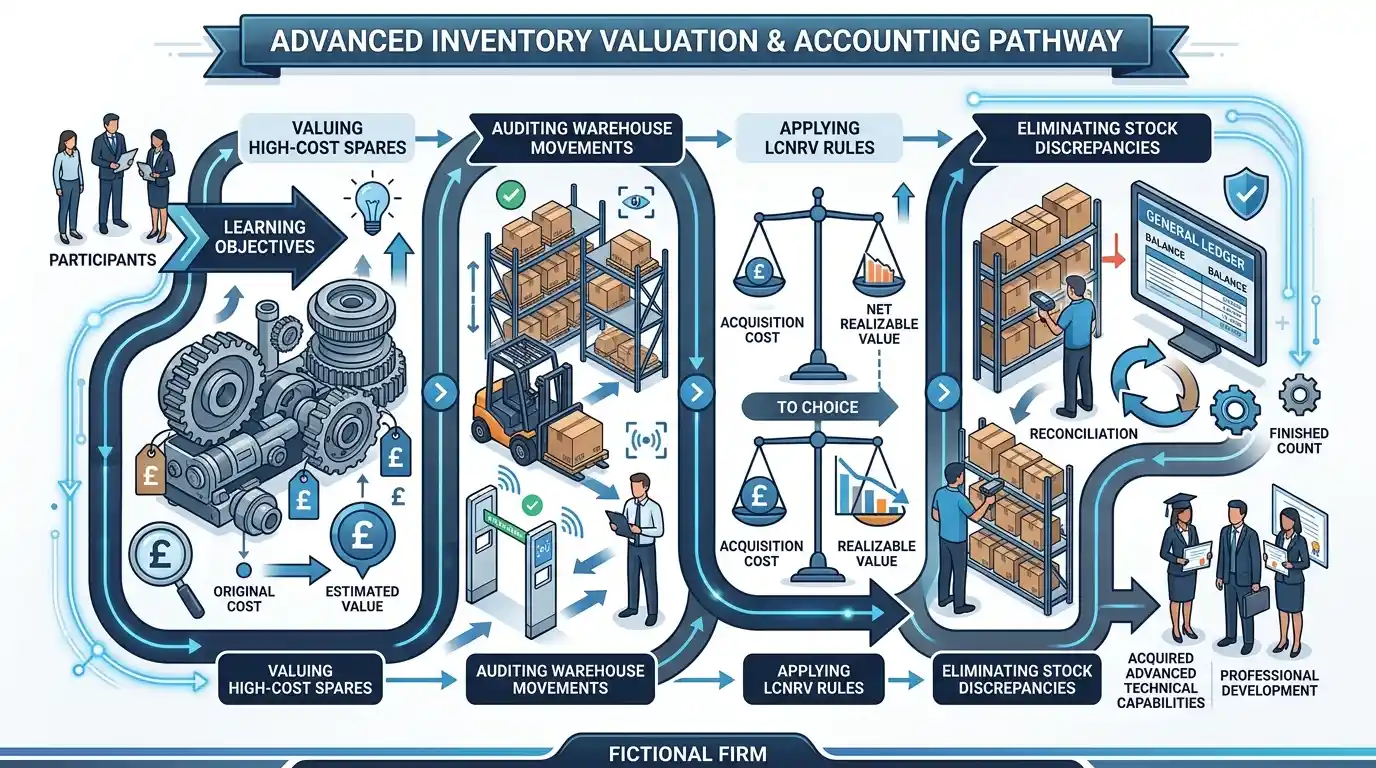
The learning journey is segmented into distinct competency blocks designed to transform general accountants into specialized energy finance professionals.
Module 1: Oil & Gas Material Classifications and Lifecycle Accounting
Comprehensive breakdown of line pipe, drilling consumables, and critical insurance spares.
Accounting treatment for capital spares versus operational maintenance supplies under IFRS.
Recognition criteria for long-cycle assets held in remote warehouses.
Module 2: Valuation Methodologies in Volatile Commodity Markets
Application of Weighted Average Cost and FIFO methods under severe price fluctuations.
Impairment testing for obsolete, slow-moving, and surplus operational stock.
Valuation adjustments for offshore logistics, freight handling, and customs duties.
Module 3: Physical Verification and Cycle Counting Protocols
Designing internal control frameworks for remote site physical inventory counts.
Reconciling physical audit variances with general ledger control accounts.
Investigating shrinkage, damage, and unrecorded field transfers.
Module 4: Financial Reporting, Auditing, and Compliance
Preparing transparent inventory footnote disclosures for annual reports.
Collaborating with external auditors during complex asset verification cycles.
Mitigating fraud risks associated with warehouse management and material transfers.
Through these focused segments, the Institute For Oil & Gas Training ensures that every learner gains actionable, job-ready capabilities that directly benefit their employing organization.
How is the course delivered?
Delivery formats include intensive instructor-led virtual workshops, interactive hybrid sessions, and corporate onsite programs, utilizing real-world financial simulations and peer collaboration to reinforce practical mastery.
Recognizing the demanding schedules of energy sector professionals, the Institute For Oil & Gas Training offers flexible yet rigorous delivery mechanisms designed to minimize operational disruption while maximizing learning depth.
Intensive Virtual Workshops
Live, instructor-led online modules featuring interactive Q&A and breakout case study analysis.
Designed for remote finance teams needing flexible access without international travel overhead.
Hybrid and Blended Learning
Combination of self-paced digital modules and scheduled live coaching sessions with senior industry practitioners.
Ideal for working professionals balancing active project portfolios with continuous professional development.
Onsite Corporate Programs
Tailored delivery directly at corporate headquarters or regional operational hubs for entire finance departments.
Customized to align with the organization's specific ERP environment, such as SAP or Oracle financial modules.
Training methodologies emphasize experiential learning. Participants do not merely review static textbooks; they engage with complex simulation models replicating real-world supply chain disruptions, audit challenges, and valuation adjustments.
The Inventory & Materials Accounting Training: Building the Skills Required for Oil & Gas Finance Roles experience is continuously monitored through formative quizzes, practical spreadsheet assignments, and comprehensive capstone evaluations to guarantee total competence before certification.
What results can be expected?
Measurable workplace outcomes include reduced inventory carrying costs, successful resolution of audit discrepancies, enhanced cross-functional collaboration with supply chain teams, and accelerated career progression into senior financial controllership.
Organizations investing in structured workforce transformation expect tangible improvements in operational efficiency and financial accuracy.
When HR teams and finance directors sponsor staff through the Institute For Oil & Gas Training curriculum, they immediately notice heightened precision in monthly closing cycles.
Junior accountants transition into confident controllers who can independently identify root causes of stock variances rather than merely adjusting suspense accounts.
For Finance Departments:
Elimination of recurring year-end inventory write-downs through proactive mid-year monitoring.
Streamlined audit processes with zero material weaknesses reported in inventory controls.
Optimized working capital through accurate identification of stagnant and obsolete operational stock.
For Operational Managers:
Stronger alignment between procurement decisions and financial reporting constraints.
Improved visibility into critical spares availability without over-allocating capital to redundant stock.
For Individual Professionals:
Verified mastery of specialized energy accounting frameworks, enhancing marketability for promotion.
Advanced capability to communicate financial metrics clearly to non-financial operational leaders.
These documented performance improvements validate the rigorous design of the Inventory & Materials Accounting Training: Building the Skills Required for Oil & Gas Finance Roles program across diverse corporate environments.
How does enrollment work?
The enrollment process requires verification of baseline accounting qualifications, selection of a preferred delivery format, and completion of the institutional registration workflow to secure placement in the upcoming cohort.
Admission into this specialized program is structured to ensure that all incoming participants possess the foundational financial knowledge required to master advanced energy accounting concepts.
Candidates typically include corporate accountants, internal auditors, inventory controllers, and finance managers operating within upstream, midstream, or downstream energy sectors.
HR departments sponsoring cohort groups can coordinate directly with program advisors to customize scheduling and align learning milestones with internal performance review cycles.
Once eligibility is verified, participants complete a straightforward registration workflow managed by the Institute For Oil & Gas Training administrative team.
The learning path culminates in a rigorous final assessment leading to professional certification, providing verifiable proof of specialized expertise.
Ready to elevate your department's financial accuracy and technical capabilities? You can apply for course access to secure your placement in the next available training cohort.
Frequently Asked Questions
What does oil and gas petroleum accounting involve?
Oil and gas petroleum accounting encompasses specialized financial tracking, joint venture auditing, production sharing agreement management, and depletion accounting tailored to upstream, midstream, and downstream operations. Through specialized programs like those at the Institute For Oil & Gas Training, finance professionals master the complex cost-pooling and revenue-recognition methodologies unique to the energy sector. This discipline ensures strict compliance with international financial reporting standards while accurately reflecting high-capital asset lifecycles.
Why is petroleum accounting different from standard corporate accounting?
Petroleum accounting diverges from standard corporate finance due to the unique risks, high capital intensity, and complex regulatory frameworks associated with mineral rights and extraction operations. Practitioners must navigate specialized concepts such as successful efforts versus full cost accounting methods, abandonment provisions, and complex joint interest billings. Programs offered by the Institute For Oil & Gas Training equip finance teams to handle these specialized industry demands effectively.
How do oil and gas companies account for exploration and production costs?
Energy enterprises typically utilize either the successful efforts method or the full cost method to capitalize or expense exploration and drilling expenditures. Under successful efforts, only costs directly associated with finding commercially viable reserves are capitalized, whereas the full cost method pools all exploration expenditures within a defined geographic cost center. The Institute For Oil & Gas Training provides comprehensive training modules detailing how these accounting choices impact balance sheets, net income, and tax liabilities.
What are the main challenges in upstream oil and gas finance?
Upstream finance teams frequently struggle with volatile commodity price fluctuations, complex joint venture billing arrangements, production sharing contract compliance, and accurate asset retirement obligation estimations. Managing multi-partner operational expenditures across remote extraction sites requires rigorous internal controls and specialized audit methodologies. Specialized professional development courses from the Institute For Oil & Gas Training address these specific operational bottlenecks to enhance financial accuracy and risk mitigation.
Who should study oil and gas petroleum accounting?
This specialized financial discipline is essential for corporate accountants, internal auditors, financial controllers, and treasury managers operating within exploration, production, refining, and pipeline organizations. Additionally, HR directors and energy sector executives utilize programs from the Institute For Oil & Gas Training to upskill their finance departments and bridge critical competency gaps. Mastery of these technical skills directly improves working capital management and statutory audit compliance.
Related training courses
Petroleum Industry Accounting Fundamentals: NOCs, IOCs & Independents Training Course
- Specialisation
- Oil & Gas Petroleum Accounting
- Duration
- 5 days · 15 CPD hours
Upstream Cost Classification: Exploration to Production Phases Training Course
- Specialisation
- Oil & Gas Petroleum Accounting
- Duration
- 5 days · 15 CPD hours
Hydrocarbon Accounting & DVR Excellence: Refinery Operations Training Course
- Specialisation
- Oil & Gas Petroleum Accounting
- Duration
- 5 days · 15 CPD hours
More articles
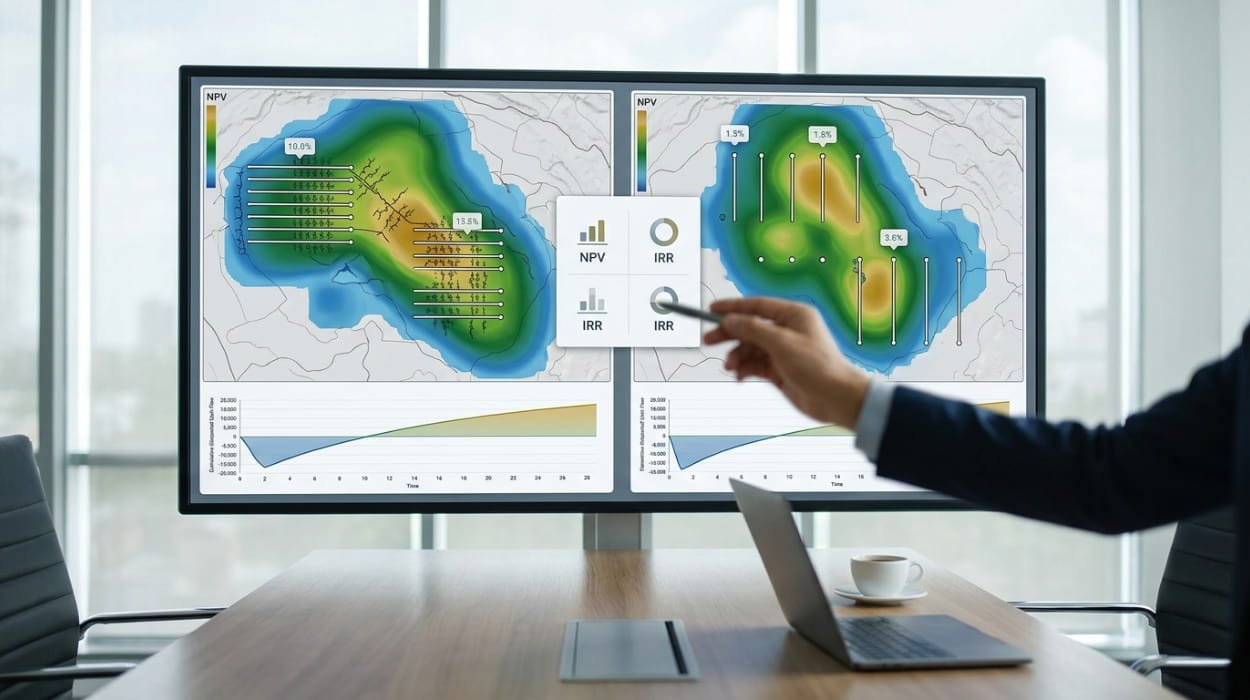
NPV and IRR Analysis for Comparing Alternative Oilfield Development Cases
Master net present value and internal rate of return methods to compare alternative oilfield development cases and optimize upstream capital allocation.
Read article →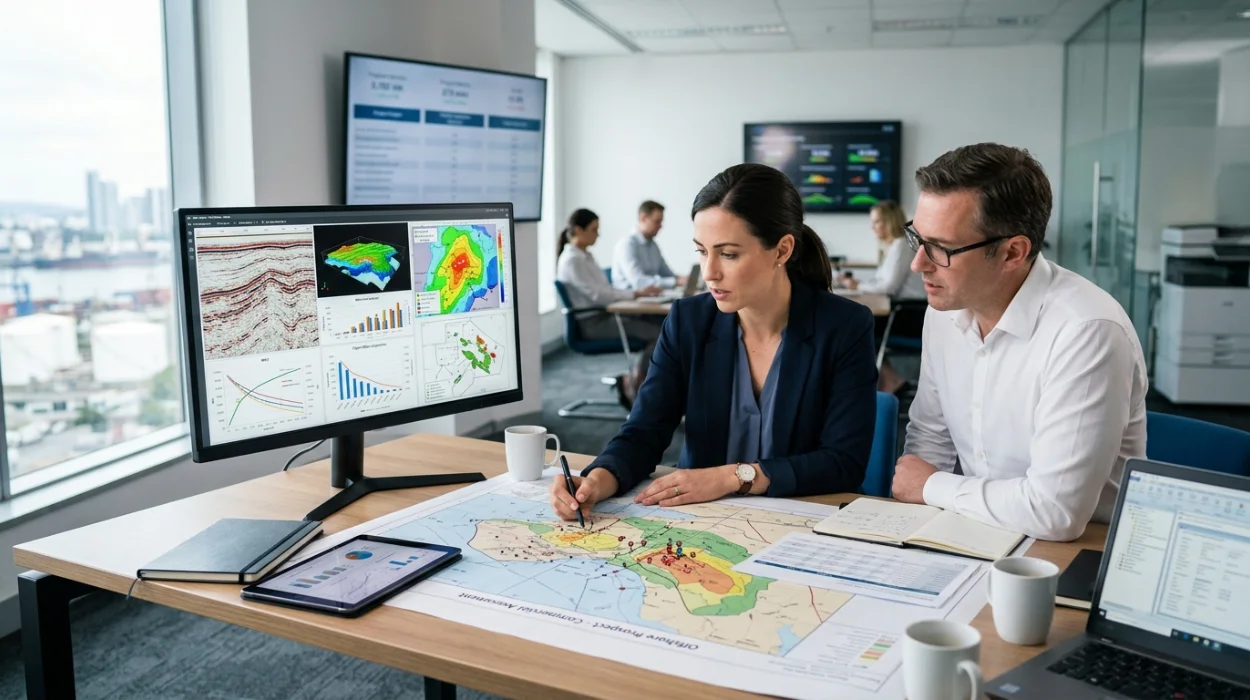
How Petroleum Companies Assess the Commercial Viability of New Field Developments
Discover how petroleum companies train teams to assess field development commercial viability, optimize capital allocation, and drive project returns.
Read article →
Building Practical Oilfield Economics & Project Evaluation Skills for Petroleum Investment Decisions
Master petroleum investment decisions, NPV, IRR, and fiscal regimes with the Institute For Oil & Gas Training. Enroll today to elevate team performance.
Read article →